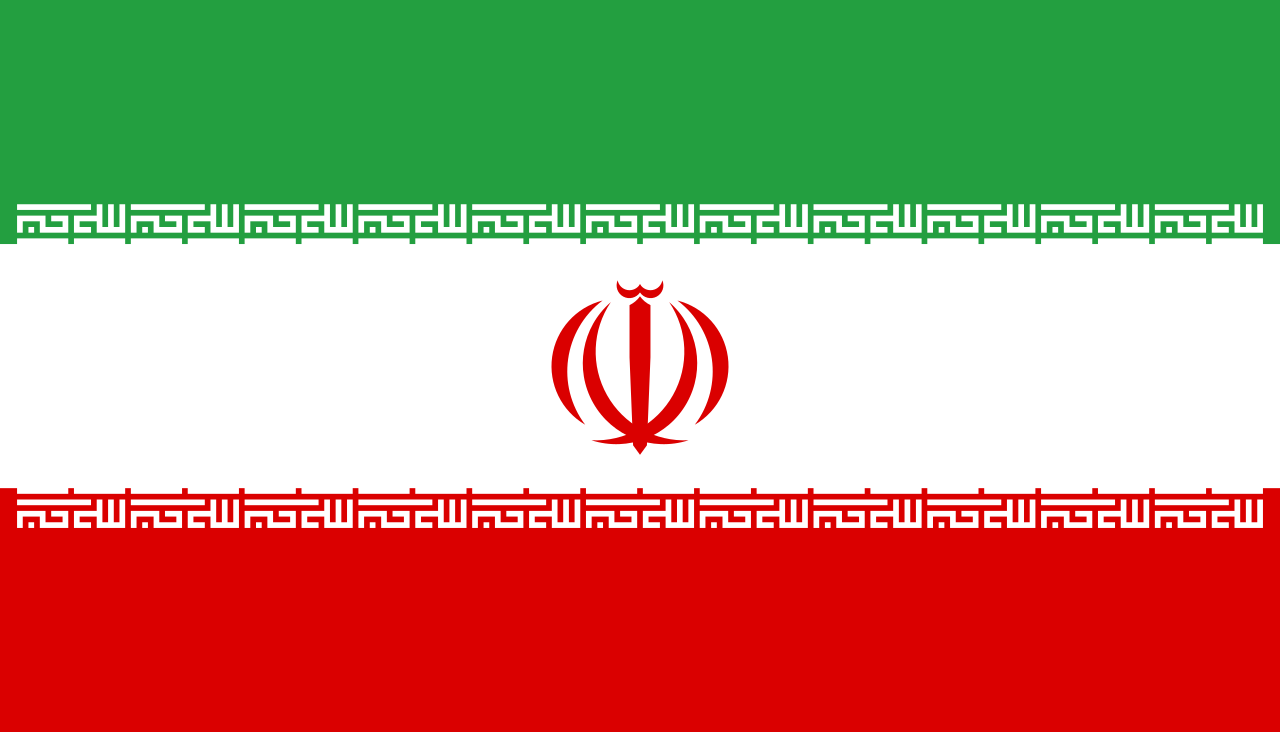
Understanding Iran's 2026 World Cup Participation Situation: More Than Just Football
The FIFA World Cup is the pinnacle of international football, a global spectacle that unites nations through sport. As the countdown to the expanded 2026 tournament in North America begins, qualification campaigns are in full swing across the continents. For Iran, a consistent participant from Asia, the path to 2026 is fraught with complexities that extend far beyond on-field performance. The question of iran not play world cup is not merely speculative but is a genuine concern for many observers, driven by a confluence of geopolitical, social, and sporting factors.
For Team Melli, Iran's national football team, securing a spot in the World Cup has become a testament to their footballing prowess in Asia. However, the unique circumstances surrounding the nation often place its participation under an intense spotlight, raising critical questions about international sports governance and the intersection of politics with athletic competition. This article delves into the various facets of Iran's situation, exploring the scenarios that could lead to their absence, and the profound implications should such an eventuality arise. For the latest developments, you can always refer to updates such as Will Iran Play in the 2026 World Cup? The Latest Update.
The Road to 2026: Iran's Qualification Journey Amidst Uncertainty
From a purely sporting perspective, Iran has consistently been one of Asia's strongest footballing nations. They are perennial contenders in the AFC (Asian Football Confederation) qualification rounds, boasting a rich history of World Cup appearances. The current 2026 qualification cycle sees a revamped format, but Iran's pedigree suggests they are well-equipped to navigate the Asian qualifiers successfully.
Typically, the qualification process involves multiple rounds, with teams battling it out for a limited number of coveted spots. Iran's national team, often referred to as Team Melli, frequently showcases a blend of tactical discipline and individual talent. Their presence in past tournaments has contributed significantly to the diversity and competitive spirit of the World Cup. However, the discussions around iran not play world cup stem from issues external to their abilities on the pitch. Even if they secure qualification through their sporting merit, underlying factors could still jeopardize their attendance.
Beyond the Pitch: The Geopolitical and Social Landscape
The broader context in which Iranian football operates is inherently linked to the nation's political and social environment. International scrutiny often focuses on human rights concerns, particularly regarding women's access to stadiums and broader civil liberties. These issues have, at times, led to calls for FIFA to take stronger action, including potential sanctions or even exclusion from international competitions. FIFA's statutes, which emphasize non-discrimination and political neutrality, often find themselves challenged by the realities on the ground.
Furthermore, Iran's complex international relations and ongoing geopolitical tensions can also cast a long shadow. The host nations for the 2026 World Cup – the United States, Canada, and Mexico – represent a diverse political landscape. While sport is intended to transcend politics, the logistical and diplomatic complexities of an international team's participation can sometimes be influenced by broader bilateral or multilateral relations. These intricate layers make Iran's World Cup journey distinct from many other nations.
Unpacking the "Why": Scenarios Where Iran Might Not Play in the World Cup
The possibility of iran not play world cup is a topic of significant debate, fueled by several potential scenarios. Understanding these possibilities is crucial for anyone following the situation closely.
1. FIFA Intervention or Sanctions
FIFA, as the global governing body of football, possesses the authority to impose sanctions on national federations that fail to adhere to its statutes. Historically, FIFA has intervened in cases of government interference in national football federations, or when federations fail to uphold principles of non-discrimination. Persistent human rights concerns, particularly those related to women's access to sports stadiums in Iran, have been a recurring point of contention. Should FIFA determine that the Iranian Football Federation (IFF) is in violation of its rules – either directly or through governmental directives – it could lead to penalties ranging from fines to suspension, and in extreme cases, exclusion from international tournaments like the World Cup.
2. Geopolitical Tensions and Host Nation Concerns
The 2026 World Cup will be held across three North American nations. While organizers strive to create an inclusive environment, escalating geopolitical tensions could theoretically create unprecedented diplomatic or logistical challenges for Iran's participation. Although highly unusual for a qualified team to be barred due to host nation politics, prolonged and severe international conflicts or sanctions could complicate travel, visa processes, or security arrangements to an extent that forces a difficult decision upon FIFA or the involved governments. It's a delicate balance between upholding sporting principles and navigating complex international realities.
3. Voluntary Withdrawal
While less probable, there remains a theoretical possibility of Iran voluntarily withdrawing from the tournament. This could stem from internal political decisions, a response to perceived injustices, or unforeseen domestic circumstances that make international participation unfeasible. Such a decision would be monumental, carrying immense implications for the team, the federation, and the nation's footballing future.
The Repercussions: What Happens If Iran Doesn't Play?
The absence of Iran from the 2026 World Cup, regardless of the reason, would send shockwaves through the football world and have far-reaching consequences. This is the core of Iran's 2026 World Cup Dilemma: What Happens If They Don't Play?
For FIFA and the Tournament
- Logistical Challenges: If Iran were to withdraw or be excluded post-qualification, FIFA would face significant logistical hurdles. This could involve re-drawing groups, potentially inviting another nation to fill the vacant spot (usually the next best-ranked team from the same confederation or a play-off), and adjusting scheduling.
- Loss of Diversity and Competitive Edge: Iran's Team Melli adds a unique cultural and sporting dynamic to the World Cup. Their absence would diminish the tournament's diversity and remove a strong, often unpredictable, competitor from the mix.
- Precedent and Integrity: Any exclusion or withdrawal based on non-sporting factors could set a significant precedent, potentially opening the door for similar situations in the future and challenging the perceived political neutrality and integrity of the tournament.
For the Iranian National Team and Football Federation
- Devastating Blow: For the players, coaches, and staff who dedicate their lives to reaching this pinnacle, missing out would be a devastating blow to their careers and aspirations. Many players may only get one or two chances to play on the global stage.
- Financial Implications: World Cup participation brings significant financial benefits through prize money, sponsorships, and increased commercial visibility. Losing this would severely impact the IFF's budget for development, youth programs, and domestic leagues.
- Isolation and Morale: Exclusion could lead to a period of international isolation for Iranian football, potentially affecting friendly matches, player transfers, and overall morale within the footballing community.
For Iranian Fans
Perhaps the most profound impact would be on the millions of passionate Iranian football fans worldwide. The World Cup is a source of immense national pride and a rare opportunity for collective celebration. To have that snatched away, especially due to reasons beyond on-field performance, would lead to deep disappointment, frustration, and a sense of injustice. It could further politicize sports in the public consciousness, potentially fueling internal discontent.
Navigating the Uncertainty: What to Watch For
The situation surrounding Iran's potential participation in the 2026 World Cup is dynamic and requires careful monitoring. For those interested in this complex issue, here are key areas to observe:
- FIFA Statements and Decisions: Keep an eye on official communications from FIFA regarding any investigations, warnings, or sanctions related to the IFF. FIFA's stance on human rights issues and governmental interference will be critical.
- Developments in Iran: Monitor internal events within Iran, particularly those related to social reforms, human rights, and the government's interaction with the sports sector. Changes in these areas could directly influence international perceptions and potential actions.
- Geopolitical Shifts: Be aware of major shifts in international relations involving Iran and the host nations. While direct barring is unlikely, broader geopolitical instability could create an environment of increased scrutiny.
- Advocacy Group Pressure: Human rights organizations and other international advocacy groups often play a significant role in highlighting issues and pressuring sporting bodies to uphold ethical standards. Their ongoing campaigns will be influential.
Practical Tip: To get a comprehensive view, follow a diverse range of reputable news sources – both sports-focused and general international news – to understand the multifaceted nature of the situation. Cross-referencing information from different perspectives can provide a more balanced understanding.
Conclusion
The prospect of iran not play world cup in 2026 highlights the intricate relationship between sports, politics, and human rights on the global stage. While Iran's national team continues its on-field quest for qualification, the ultimate decision on their participation may rest on factors far removed from goals and assists. The unfolding situation will test FIFA's commitment to its own statutes, challenge diplomatic channels, and ultimately impact millions of passionate football fans. As the 2026 World Cup draws closer, the narrative around Iran's involvement remains one of compelling uncertainty, a powerful reminder that even in the purest of sports, the world's complexities are never far from the field of play.